
A tented safari lodge that occupies a lakeside position on the northeastern shore of Lake Rwanyakazinga. The surrounding terrain includes open savannah, papyrus wetlands, and wooded hills, with hippos and crocodiles commonly visible from the camp. Morning light across the water and the sounds of waterbirds define the setting. The camp is small and tented, with six guest units arranged along the lakeshore under light canvas roofing and timber frames. Inside, the design uses natural textures and muted tones, while private decks face the water and give each tent separation from the next. A central lounge and dining area sit slightly elevated, keeping the lake and its wildlife within sight during meals and downtime. After a morning game drive through Akagera's northern sector, you return to a place that feels open, quiet, and closely connected to the wetland environment.
The camp sits on the shore of Lake Rwanyakazinga in the northeastern section of Akagera National Park, within the park’s prime wildlife viewing zone. Access from Kigali takes roughly two and a half hours by road to the park’s northern gate, followed by a game drive transfer to camp.
Six luxury tented suites face Lake Rwanyakazinga, each with a bedroom, sitting area, and en suite bathroom featuring a flush toilet and bucket shower. Every tent includes a private deck with seating, while overhead canvas and mesh panels allow airflow and light throughout the day.
The central area contains a lounge, dining space, and bar, all oriented toward the lake and open on the water-facing side. Staff provide laundry service, daily game drives, guided bush walks, boat excursions on Lake Rwanyakazinga, and fishing outings during the stay.
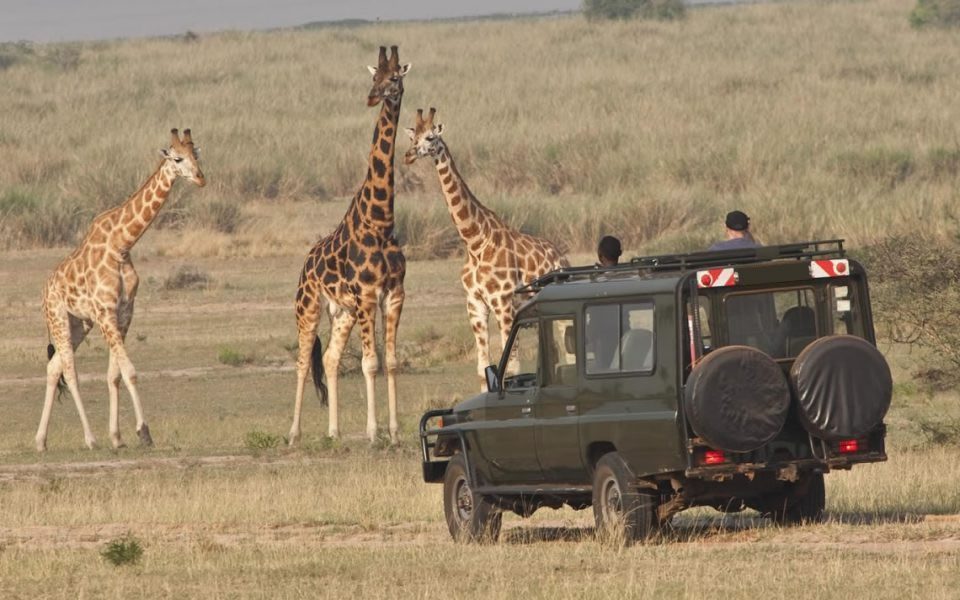
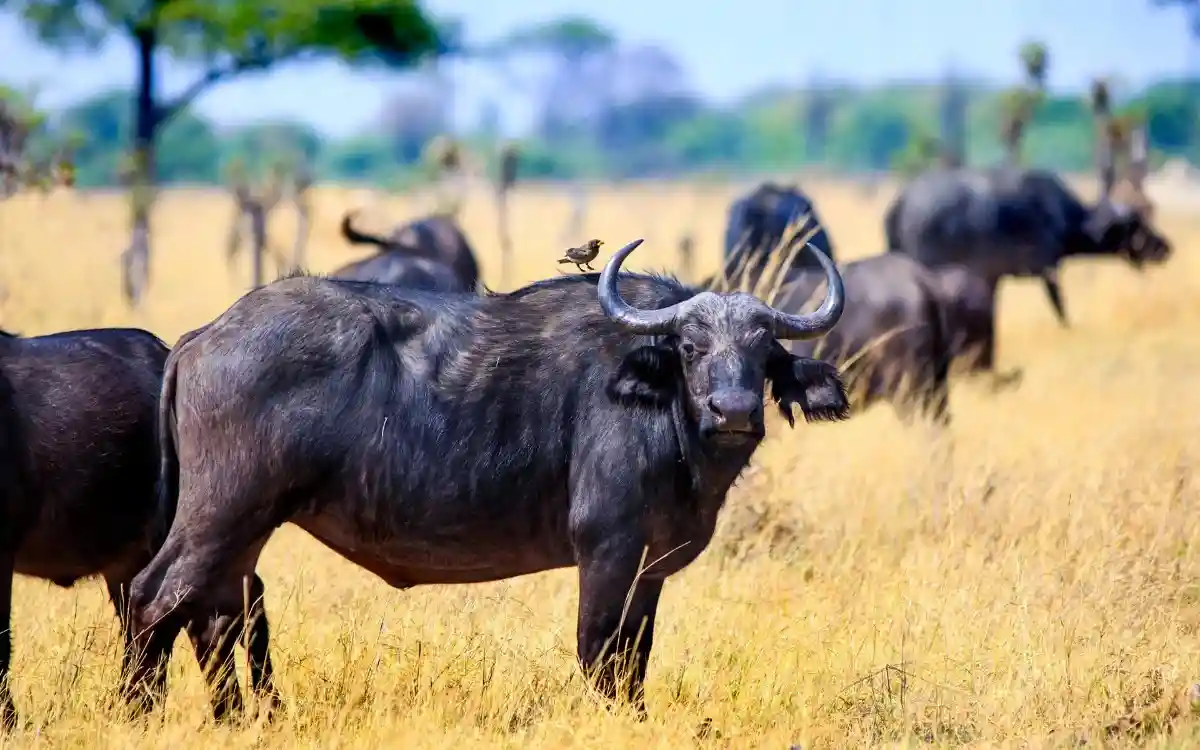
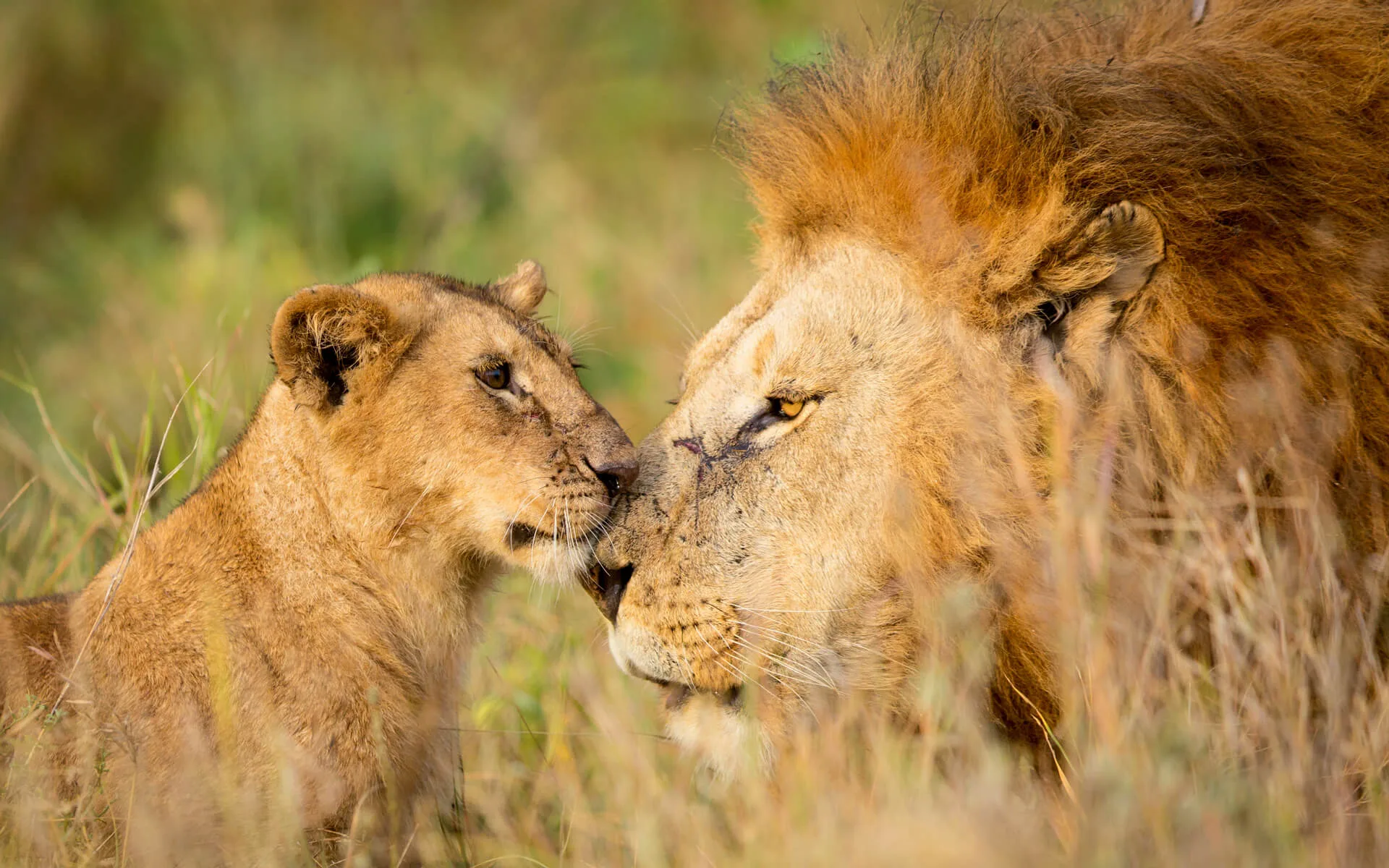
Boat safaris on Lake Rwanyakazinga depart directly from the camp, giving guests close encounters with hippos, crocodiles, and large waterbird colonies without a vehicle transfer. The camp’s position within the park’s northern sector also places it in the heart of Akagera’s highest concentration of wildlife, including elephant and lion.