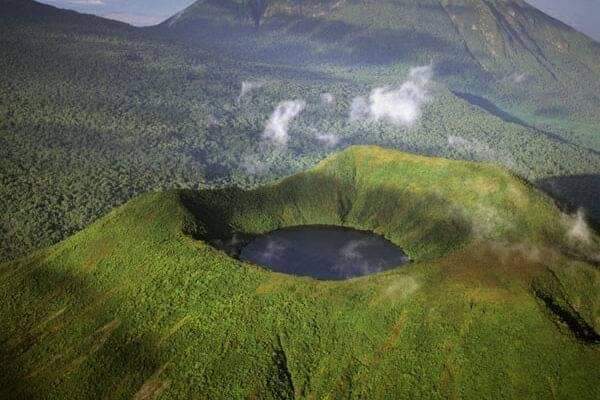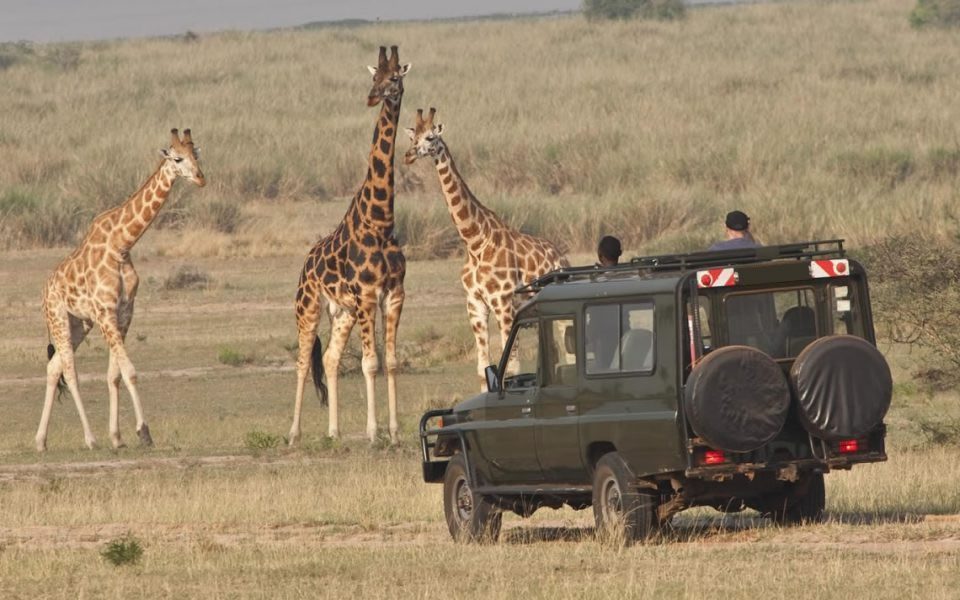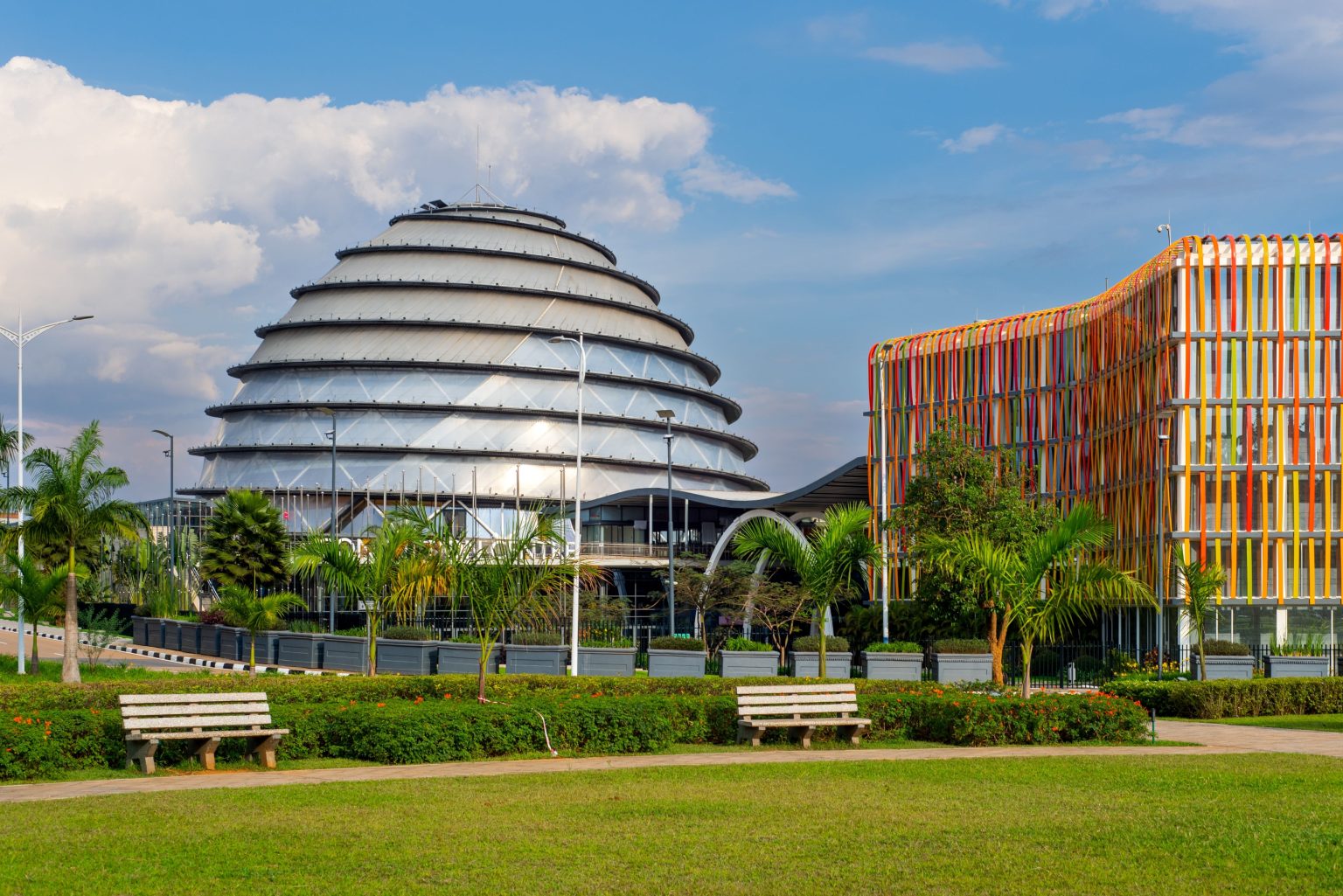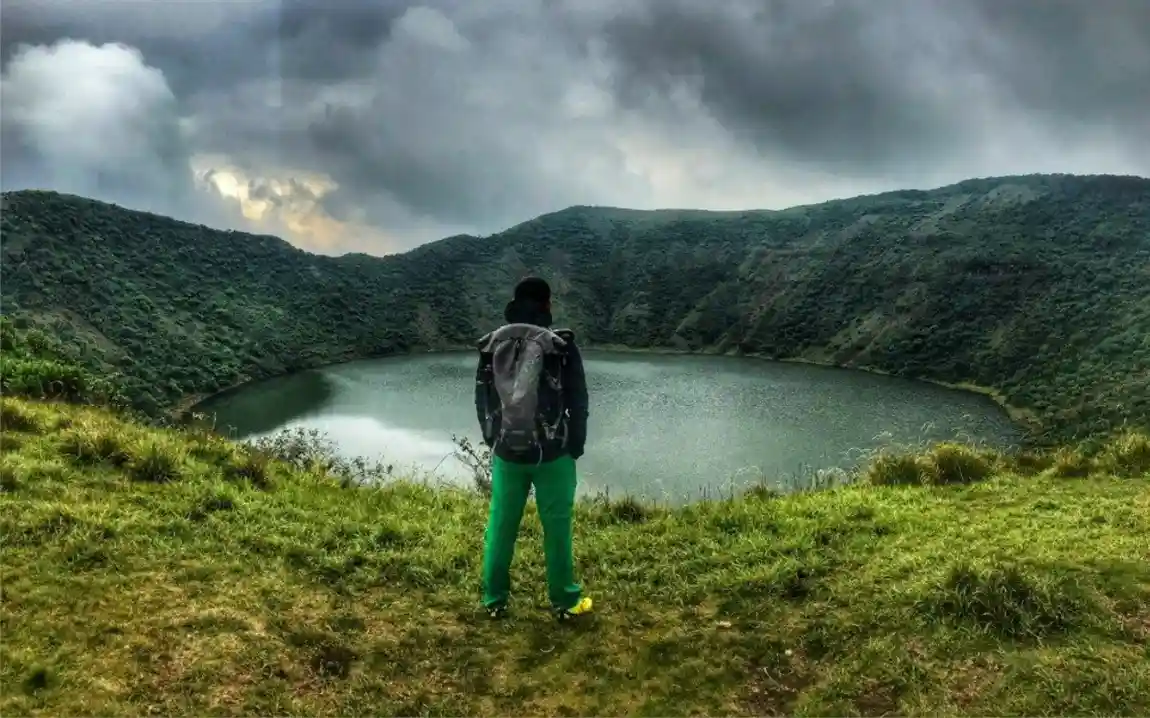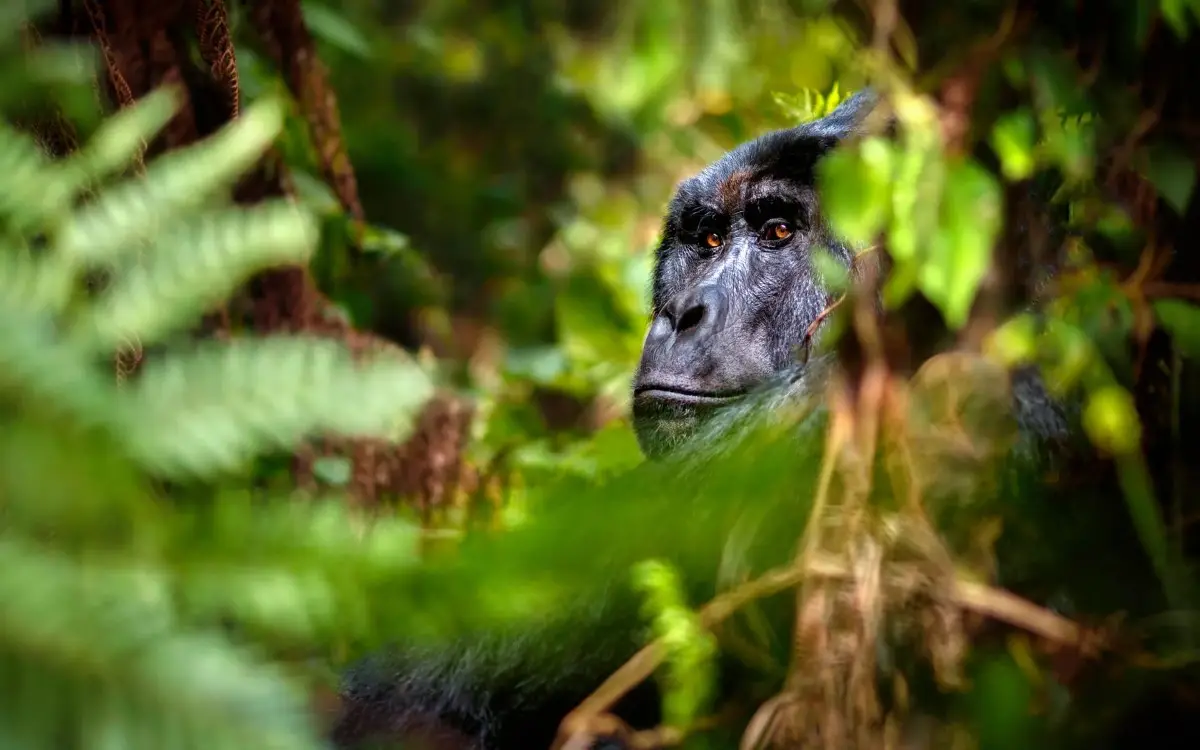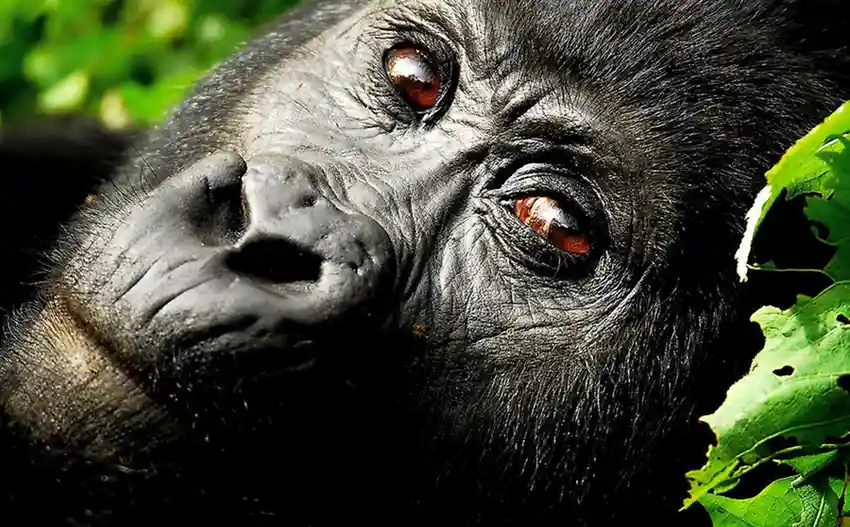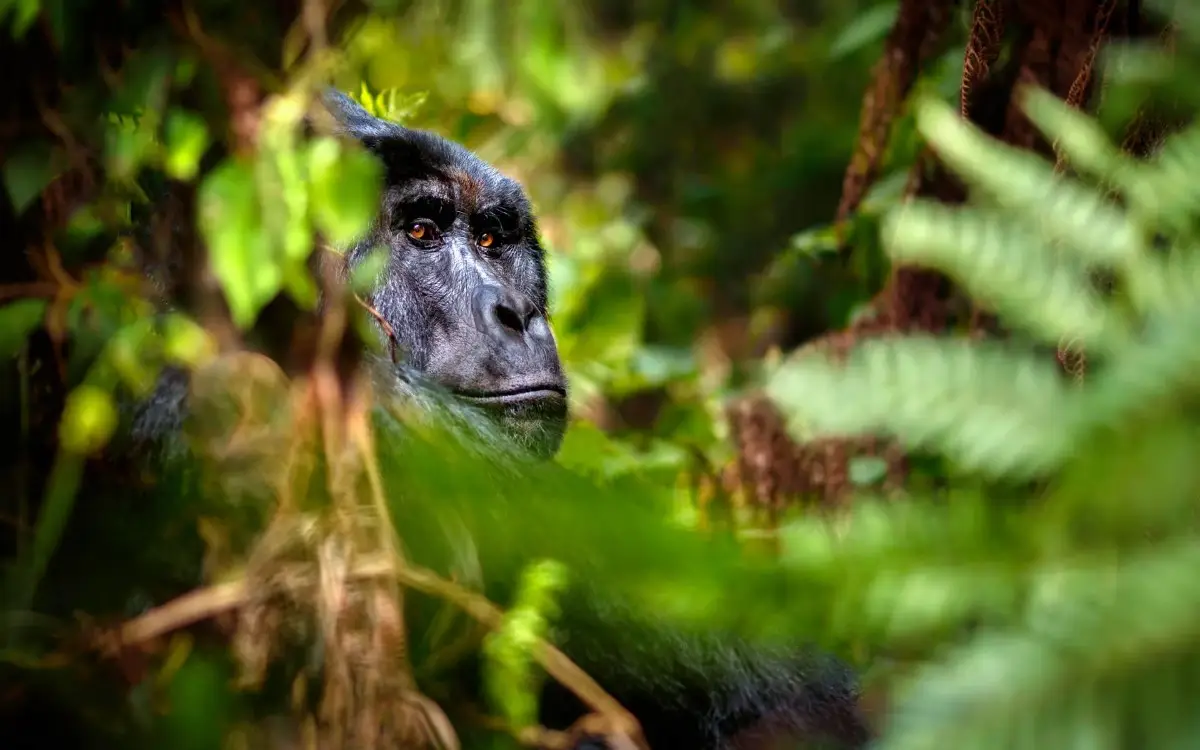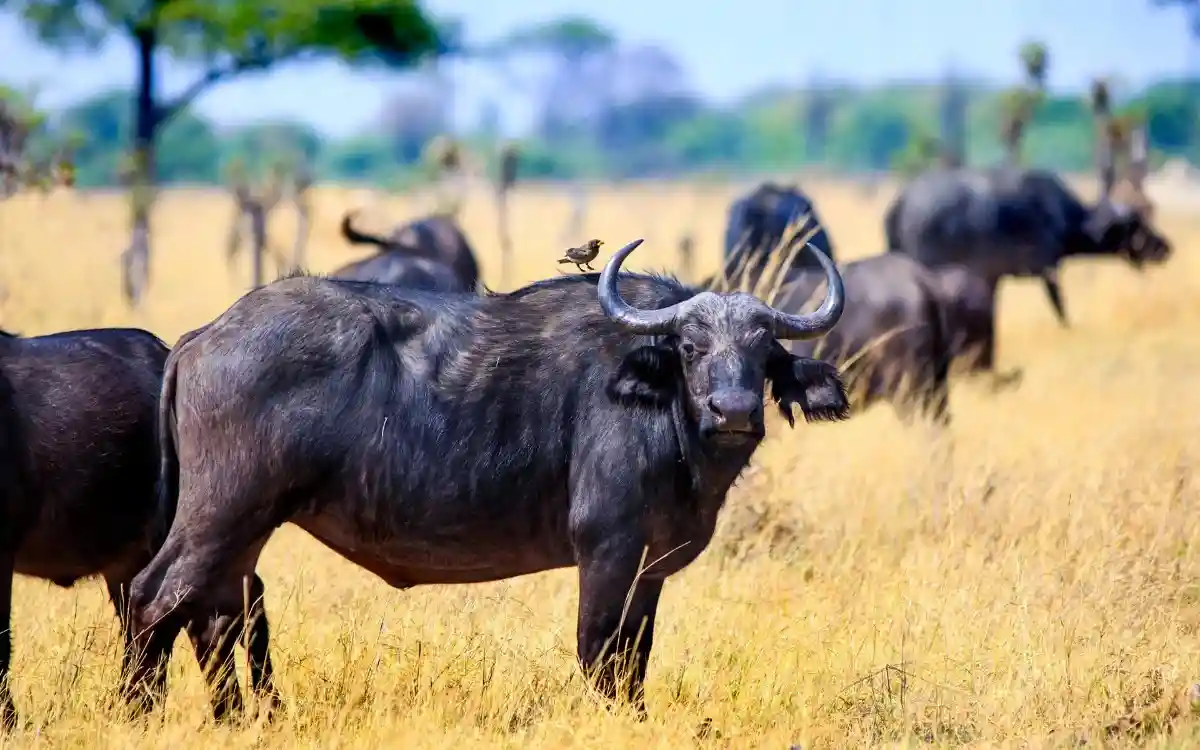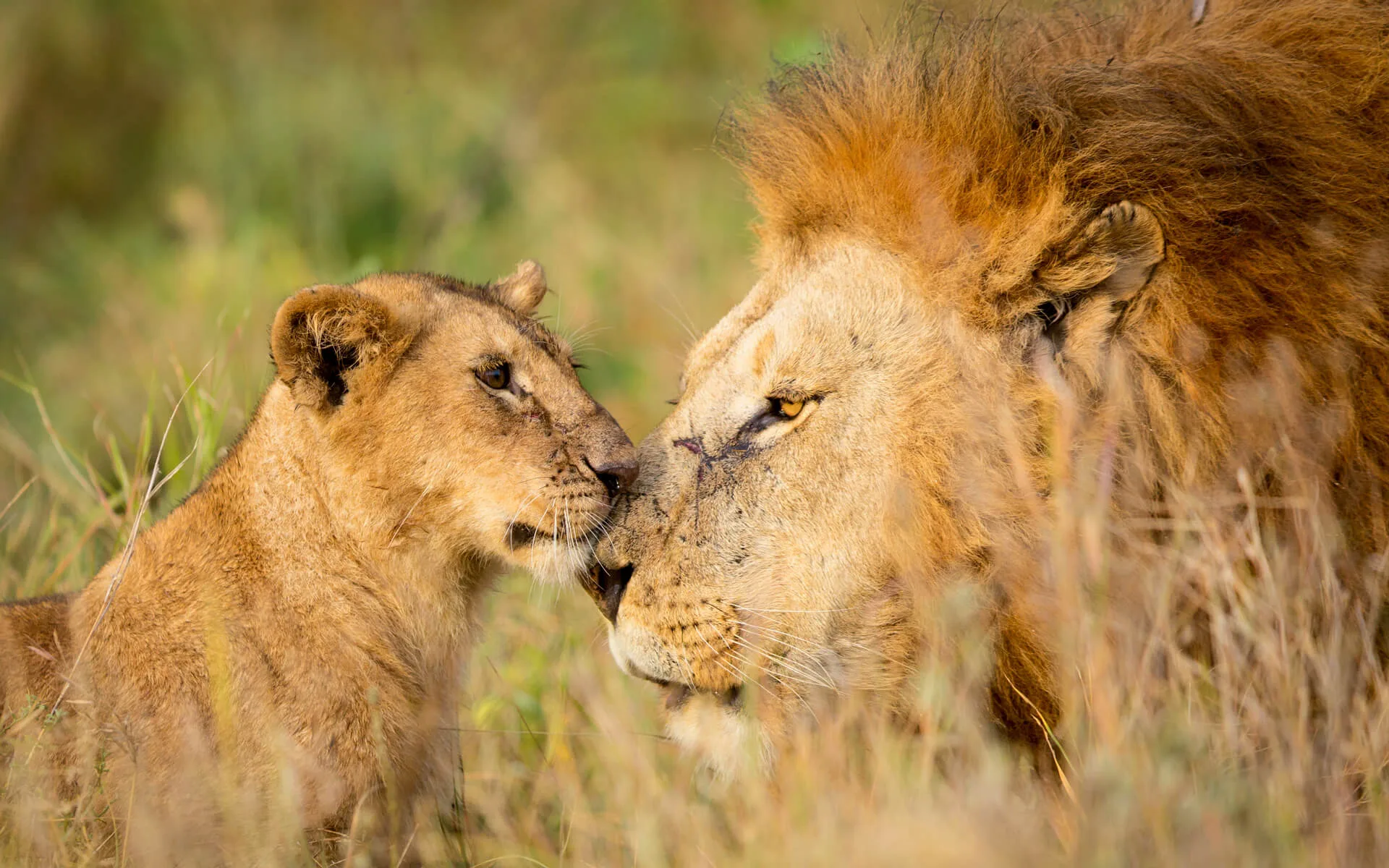

Rwanda delivers a safari experience of remarkable intimacy. Its beauty unfolds not across vast, endless plains, but in layered, close-up wonders — green hills rising into volcanic mountains, bamboo forests softened by mist, quiet lakes, and protected savannahs where wildlife thrives through one of Africa’s most inspiring conservation stories. The country’s most iconic experience lies in Volcanoes National Park, where travelers enter cool mountain forest in search of mountain gorillas. The encounter is deeply personal: a rare hour spent in the presence of a gorilla family, watching gestures, expressions, and bonds that feel astonishingly familiar. Further east, Akagera National Park brings a different rhythm, with open plains, wetlands, lakes, and the return of lions and rhinos to Rwanda’s protected wilderness.
The camp sits close to the park’s southern entrance and launch points for boat excursions. The drive from Kigali usually takes around two and a half hours by road, making arrival straightforward.
Nine canvas tents sit on wooden platforms along the lakeshore, each with twin or double beds, a private deck, and an en suite bathroom. Screened sides and tent flaps allow ventilation, while timber furnishings and solar lighting keep the rooms simple and functional throughout.
A central lounge, dining deck, and small bar overlook the lake and serve as the camp’s main shared spaces. Staff arrange game drives, boat excursions, and birding activities, while solar power supports lighting and charging points, and laundry service is included during the stay daily.
Boat excursions on Lake Ihema give direct access to papyrus channels used by hippos, crocodiles, and a high concentration of waterbirds. Because the camp sits along an unfenced shoreline, animal activity sometimes continues around the tents and walkways after dark.